

Contact
Brochures
View our 2018 financial prospectus
brochure for an easy to read guide on
all of the services offer.
EPC (Energy Performance Certificate)
Transition to cleaner, sustainable energy with our solutions combining energy efficiency, solar power, battery storage, and other innovative technologies for a greener future.

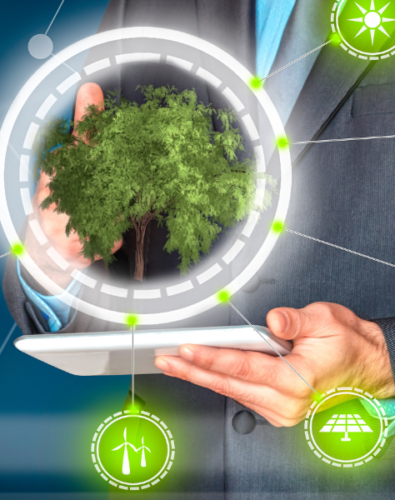
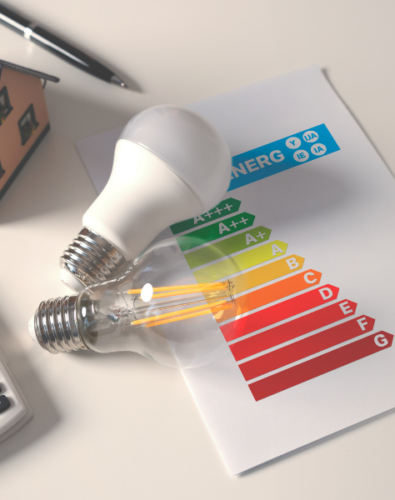
Renewable energy offers numerous benefits, both for the environment and the economy. Here are some key advantages:
Environmental Benefits:
Reduces Greenhouse Gas Emissions: Unlike fossil fuels, renewable sources like wind, solar, and hydropower do not produce harmful emissions, helping mitigate climate change.
Decreases Air and Water Pollution: Renewable energy production generally uses fewer resources and produces far less air and water pollution compared to traditional energy sources like coal and oil.
Conserves Natural Resources: Renewables rely on naturally replenishing sources (like sunlight, wind, and water), reducing the need to extract finite resources like coal and oil.
Economic Benefits:
Job Creation: The renewable energy sector creates jobs in manufacturing, installation, maintenance, and research. It has been a growing sector for employment opportunities.
Energy Independence: By utilizing local resources, countries can reduce their reliance on imported fossil fuels, enhancing energy security.
Long-term Cost Savings: While the initial installation of renewable energy systems can be costly, they often lead to lower operating costs over time and can offer a high return on investment due to low maintenance needs.
Sustainability:
Renewable Resources Are Abundant: Solar, wind, and hydro resources are abundant and essentially limitless, unlike fossil fuels which can be depleted over time.
Long-term Availability: The sustainability of renewable energy means it can provide energy for future generations, helping ensure long-term energy security.
Technological Innovation:
The push for renewable energy has led to innovations in energy storage, grid management, and energy efficiency, making it easier and more effective to integrate renewables into existing infrastructure.
Resilience to Price Fluctuations:
Since renewables are typically not subject to the volatility of fossil fuel markets, they provide more price stability, which is beneficial for consumers and businesses alike.
These benefits make renewable energy a crucial part of the transition to a cleaner, more sustainable, and economically stable energy future.
Developing a strategy for renewable energy involves a comprehensive approach that aligns with environmental goals, economic objectives, and social impacts. Here’s a multi-step strategy for effectively integrating and scaling renewables:
1. Set Clear Goals and Targets
Short-term and Long-term Vision: Define ambitious yet realistic renewable energy adoption targets (e.g., 30% by 2030, 100% by 2050). Set annual milestones to track progress.
Decarbonization Goals: Set emissions reduction targets aligned with international agreements like the Paris Agreement to help mitigate climate change.
2. Policy and Regulatory Framework
Incentivize Investment: Governments can offer subsidies, tax incentives, and feed-in tariffs to encourage renewable energy investments.
Clear Regulations and Standards: Establish regulatory frameworks that support renewable energy adoption, including grid access, renewable energy certificates, and clean energy standards.
Decentralized Energy: Promote policies that enable small-scale renewable energy generation (e.g., rooftop solar, community wind farms).
3. Infrastructure Development
Grid Modernization: Invest in modernizing the electricity grid to accommodate decentralized, intermittent sources of renewable energy like solar and wind.
Energy Storage Solutions: Develop large-scale battery storage and other energy storage systems to stabilize supply, particularly for intermittent sources.
Smart Grids: Implement smart grid technologies that can dynamically adjust to supply and demand fluctuations.
4. Diversification of Renewable Sources
Solar, Wind, and Hydropower: Identify the best resources based on geographic conditions (e.g., wind in coastal areas, solar in sunny regions, hydropower in mountainous regions).
Emerging Technologies: Invest in newer technologies like offshore wind, wave energy, geothermal, and green hydrogen.
5. Research and Development (R&D)
Innovation: Invest in R&D to improve renewable energy technologies (e.g., higher efficiency solar panels, advanced wind turbine designs, and better storage solutions).
Energy Efficiency: Support research into energy-efficient technologies and solutions that reduce the overall demand for energy.
6. Public and Private Sector Collaboration
Public-Private Partnerships (PPPs): Facilitate collaborations between governments, private companies, and research institutions to drive innovation and investment in renewables.
Community Engagement: Engage with local communities to address concerns, educate about benefits, and get support for renewable projects (e.g., wind farms, solar parks).
7. Financial Support and Investment
Green Finance: Tap into green bonds and other forms of sustainable finance to fund renewable projects.
Risk Mitigation: Implement risk mitigation mechanisms (e.g., insurance, guarantees) to attract private investors into renewable energy projects.
8. Workforce Development and Education
Skills Development: Provide training programs for workers to transition into the renewable energy sector, focusing on skills for installation, maintenance, and system design.
Public Awareness: Educate the public about the environmental and economic benefits of renewable energy, including potential savings and environmental impacts.
9. International Collaboration
Global Partnerships: Partner with other countries, particularly those with advanced renewable technologies, to share knowledge, resources, and best practices.
Technology Transfer: Facilitate the transfer of renewable energy technologies to developing countries to support global energy transition goals.
10. Monitoring and Reporting
Regular Assessments: Continuously monitor progress toward renewable energy goals, reviewing efficiency, impact, and innovation.
Transparent Reporting: Ensure transparent, accessible reporting on energy use, emissions reductions, and progress toward renewable energy goals to stakeholders.
Sustainability in renewable energy goes beyond the environmental benefits of reducing greenhouse gas emissions; it also includes economic, social, and environmental aspects throughout the lifecycle of energy generation, distribution, and consumption. Achieving long-term sustainability for renewable energy involves addressing several key factors:
1. Environmental Sustainability
Resource Efficiency: Ensure that renewable energy technologies (like solar panels and wind turbines) are made from sustainably sourced materials, with minimal environmental impact during manufacturing, use, and disposal.
Land and Ecosystem Protection: Careful planning and siting of renewable energy projects (e.g., wind farms, solar parks) to avoid damage to ecosystems, wildlife habitats, and biodiversity. For example, wind farms should not be located in migratory bird paths or ecologically sensitive areas.
End-of-Life Management: Promote recycling and reuse of renewable energy technologies. For example, recycling solar panels, wind turbine blades, and batteries reduces environmental waste and minimizes the need for virgin materials.
2. Economic Sustainability
Cost Competitiveness: Renewable energy must remain economically competitive with traditional energy sources (such as coal, oil, and natural gas). Reducing costs through technological advancements, economies of scale, and market competition will help make renewables the dominant energy source.
Job Creation: Sustainable job creation is essential to economic sustainability. The renewable energy sector should generate jobs in manufacturing, construction, operation, and maintenance that contribute to local economies.
Affordable Energy Access: Ensure that renewable energy is accessible to all segments of society, including marginalized and low-income communities. This may involve subsidies, community-based projects, or off-grid renewable solutions that improve energy equity.
3. Social Sustainability
Community Involvement: Engaging local communities in the planning and implementation of renewable energy projects helps ensure that these projects benefit people on the ground, minimize opposition, and foster positive social impacts. Involving communities in ownership, decision-making, and profit-sharing can help ensure that renewable energy projects are socially equitable.
Energy Access: Renewable energy offers a pathway to bring electricity to underserved regions, particularly in rural and off-grid areas. Small-scale renewable energy systems like solar home systems and mini-grids can provide clean energy access, improving health, education, and economic opportunities.
Public Health Benefits: Reducing air pollution and reliance on fossil fuels can lead to better public health outcomes. In areas where traditional energy sources (like coal) are used, transitioning to renewables can reduce respiratory illnesses, cardiovascular diseases, and other health problems.
4. Technological Sustainability
Innovation in Storage Solutions: Renewables like solar and wind are intermittent, meaning energy is only produced when the sun shines or the wind blows. Developing sustainable energy storage technologies (e.g., advanced batteries, pumped hydro storage) is crucial for making renewable energy reliable and available 24/7.
Smart Grids and Demand Response: Smart grid technology can optimize the integration of renewable energy by balancing supply and demand in real time, allowing for a more flexible and responsive energy system.
Grid Flexibility and Resilience: Building a robust grid infrastructure that is resilient to weather events and can easily accommodate renewable energy inputs is essential. This means enhancing grid reliability and preventing outages while scaling up renewable energy sources.
5. Circular Economy in Renewables
Recycling and Reuse of Materials: To ensure long-term sustainability, the renewable energy industry must embrace a circular economy approach, where the materials used in renewable energy technologies are recycled and reused as much as possible. For example, solar panels should be designed for recyclability, and wind turbine blades should be repurposed or disposed of in environmentally responsible ways.
Extended Product Lifespan: The durability and lifespan of renewable energy systems (e.g., solar panels, wind turbines) are key to their long-term sustainability. Manufacturers and policymakers should focus on creating systems with longer lifespans, minimizing the need for frequent replacements and reducing waste.
6. Sustainable Financing
Green Financing and Investment: Support for renewable energy projects through green bonds, sustainable investment funds, and public-private partnerships is essential for scaling up the transition. This helps fund sustainable energy solutions and make them financially viable.
Long-term Investment in Infrastructure: Sustainable renewable energy growth depends on the development of long-term infrastructure that is built to last. Investment in resilient infrastructure for energy generation, transmission, and distribution is crucial to meet future energy demand.
7. International Collaboration
Global Cooperation for Technology Transfer: For sustainable renewable energy to thrive globally, technology transfer between countries is vital. Sharing innovative technologies and providing access to renewable energy solutions in developing nations can accelerate the global transition to clean energy.
Alignment with Global Sustainability Goals: Renewable energy projects should align with international sustainability frameworks like the United Nations Sustainable Development Goals (SDGs), particularly those focused on affordable and clean energy (SDG 7) and climate action (SDG 13).
8. Monitoring and Continuous Improvement
Performance Tracking: Constantly track the performance of renewable energy projects and technologies to identify areas for improvement. Monitoring energy efficiency, carbon footprint, and environmental impact helps identify how sustainability can be further enhanced.
Adaptive Policies: Sustainable renewable energy systems require policies that can adapt to new challenges, technologies, and market conditions. Governments must create flexible policies that can evolve as new technologies and opportunities arise.
By addressing these aspects of sustainability, renewable energy can grow into a truly long-lasting and positive force for both the environment and society, ensuring that future generations have access to clean, affordable, and reliable energy.