By embedding automation into the monitoring and management application, organizations shift from reactive to proactive operations. This not only drives down energy use and operating costs but also supports strategic goals like carbon neutrality, reliability, energy efficiency and operational excellence.
Key Elements
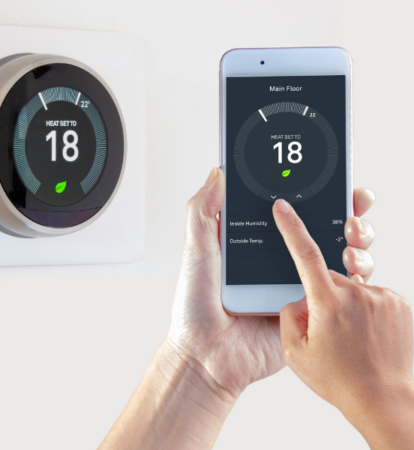
Data-Driven Control: Systems collect and analyze real-time data from assets (e.g., HVAC, lighting, gensets, machinery) to automate responses such as adjusting power usage, optimizing schedules, or initiating maintenance.
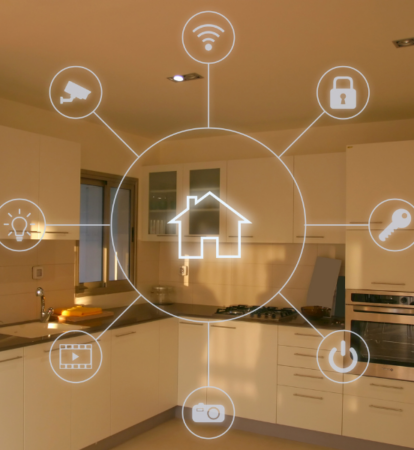
Cross-System Integration: Automation bridges data and control across various subsystems—energy meters, asset tracking, building systems, and environmental sensors—ensuring cohesive and optimized operations.
Adaptive Optimization: Algorithms continuously learn from patterns (e.g., occupancy trends, equipment performance, weather conditions) to refine control strategies, reducing energy waste and improving throughput or uptime.
Goal-Oriented Configuration: Automation routines are configured to support organizational goals such as sustainability targets, cost reduction, uptime guarantees, or regulatory compliance. For example, non-critical systems may automatically shut down during peak demand to reduce utility costs or emissions.
Alerts and Escalation: When thresholds are exceeded or faults are detected, automation can initiate escalation protocols—such as sending alerts, logging incidents, or triggering safety protocols—reducing human response time.